


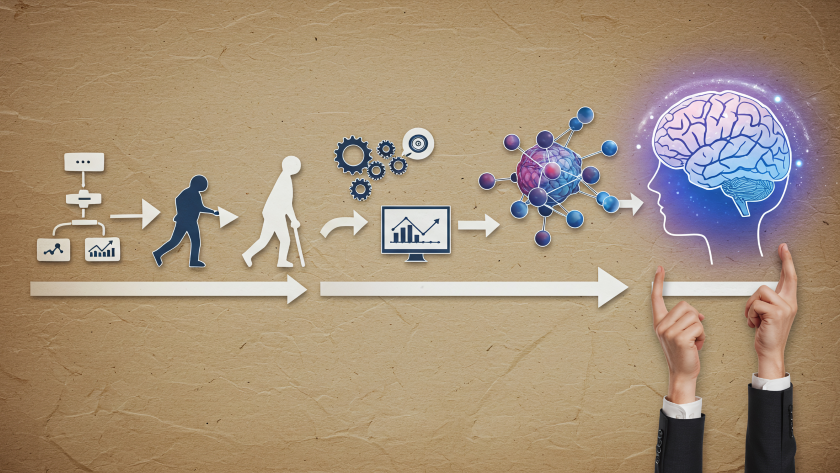

In 2025, testing has never been faster or more sophisticated. With continuous integration pipelines, AI-powered test scripts, and cloud-based environments, automation tools can run thousands of tests across multiple devices in minutes.
But speed isn’t the whole story.
While automation checks whether a website works, manual testing ensures it feels right. That subtle distinction — between functionality and experience — is what keeps human QA indispensable in modern web development. Understanding what is the importance of manual qa testing helps teams appreciate why human testers remain critical even in highly automated workflows.
Automation’s Strengths — and Its Limits
Automation has earned its place in every mature development workflow. It saves time, reduces repetitive labour, and provides rapid feedback during builds. A well-implemented automation suite can identify regressions or broken features before they ever reach production.
Yet automation has a blind spot: it only finds what it’s told to look for.
Automated tests follow pre-defined paths and logic. They excel at verifying that buttons trigger the correct responses or that forms handle inputs as expected. But what they can’t do is judge how those experiences feel to a real person.
For example:
- A button might function perfectly but appear misaligned on Safari.
- A form may technically pass validation but still feel confusing or poorly designed.
- A responsive layout could load fine on desktop but lag noticeably on a mid-range mobile device.
No automated report will flag these nuances. Only a human tester, using their eyes and instincts, will notice when something “feels off.” This is where qa manual testing proves its value by capturing subtleties that automated scripts miss.
Manual Testing: Seeing What Code Can’t
Manual QA goes beyond verification — it’s about empathy and perception.
When testers explore a website by hand, they’re not just following a script. They’re simulating the messy, unpredictable behaviour of real users: hovering, scrolling, pausing, and making intuitive decisions. This is the essence of manual software testing, where human insight guides the assessment of real-world usability.
This process reveals insights that data-driven tools often miss, such as:
- Is navigation intuitive? Can users easily find what they’re looking for without overthinking?
- Does the visual hierarchy guide attention effectively? Are the most important elements standing out where they should?
- Are call-to-action buttons emotionally engaging? Do they invite clicks in a way that feels natural, not forced?
These are qualitative judgments — and they’re critical in defining how users connect with a brand or product.
Why Creative Agencies Still Rely on the Human Touch
For agencies, testing isn’t just a technical step; it’s a creative one. A website is a blend of design, functionality, and storytelling.
Automation might confirm that the story loads correctly, but it can’t tell you whether the story lands.
Manual QA ensures that:
- A beautifully designed landing page feels consistent across browsers.
- Subtle animations enhance rather than distract.
- The tone of microcopy — those tiny bits of interface text — aligns with the brand’s personality.
In creative environments, these small details make the difference between a website that’s merely functional and one that truly delights clients and their audiences. Manual testers serve as both the final critics and the advocates for the end user. Recognizing what is the importance of manual qa testing in these scenarios highlights why human QA remains essential.
Evolving Tech, Rising Expectations
As technology evolves, user expectations climb even faster. In 2025, visitors expect seamless experiences across devices, instant load times, and a design language that feels intentional.
According to research from the Baymard Institute, 88% of users are less likely to return to a site after a poor experience. A single confusing interaction — even if it’s technically “working” — can drive users away.
That’s where manual QA proves its worth. It bridges the gap between the perfect scenario automation tests for and the imperfect reality of how users actually behave. This is exactly why qa manual testing continues to be indispensable despite advances in automated testing.
How Automation and Manual Testing Work Together
Manual testing doesn’t replace automation — it completes it.
Think of automation as the backbone of QA: it handles regression tests, repetitive checks, and core functionality validation. Manual testing, on the other hand, acts as the soul — ensuring the product reflects the nuances of human behaviour and emotional design.
In an ideal workflow:
- Automation keeps the development cycle efficient.
- Manual QA keeps the experience authentic.
Together, they ensure that every project is both technically sound and genuinely user-centred. Incorporating manual software testing alongside automation allows teams to balance speed with the human touch.
The Human Advantage: Critical Thinking and Context
No AI, no matter how advanced, can replicate human context.
Manual testers bring situational awareness — they can assess whether a design choice aligns with the brand’s voice, whether content feels trustworthy, or whether the flow tells the right story.
They can also adapt on the fly. When something feels “off,” testers can explore further, ask questions, and uncover root causes that automation might skip over entirely.
Their tools? Curiosity, empathy, and intuition. Those are qualities no script can emulate.
The Takeaway: Quality Is Still Human
In 2025, efficiency matters — but experience matters more.
Automation will keep getting faster, smarter, and more integrated. But it won’t develop empathy, taste, or creative judgment. That’s the human edge that makes manual testing indispensable, especially in agency environments where aesthetics, storytelling, and brand alignment are everything.
Manual QA isn’t a relic of the past. It’s the quiet craft that ensures every digital experience feels just right — because, ultimately, websites are made for people, not just machines. Emphasizing what is the importance of manual qa testing ensures organizations continue to value human insight in the QA process.
Related Articles

Why Choose Us?
With decades of experience and a dedicated team, we are committed to delivering high-quality web development services. Our client-centric approach ensures that we understand your needs and provide solutions that exceed your expectations.