


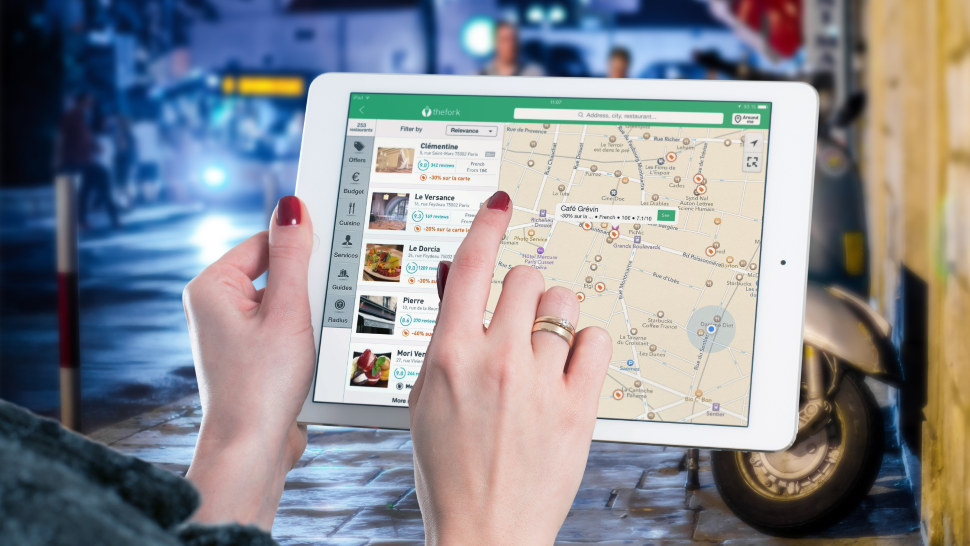

For years, searching on maps followed a familiar pattern.
Type a short phrase.
Scan a list of results.
Open a few profiles.
Read reviews.
Make a decision.
But the way people search is changing.
Instead of typing “cafe near me”, people are increasingly asking questions like:
- “Where’s a quiet café nearby where I can work for a few hours?”
- “Is there a vegan restaurant open late near me?”
- “What’s a good place for a group dinner around here?”
With the introduction of Google Maps Ask Maps, those kinds of questions are no longer awkward workarounds. They’re exactly what the platform is designed for.
This shift matters because it turns Google Maps from a simple directory into something closer to an AI assistant for local decisions.
From Keyword Search to Natural Conversation
Historically, search engines worked best with short, structured queries.
You typed a few keywords and let the algorithm match them to businesses that used similar words.
But AI systems — particularly those powered by large language models like Google Gemini — are built to understand natural language. That means people can search the way they actually speak.
With Ask Maps, users can ask complex questions such as:
- “Find a budget-friendly Japanese restaurant along my route with vegan options.”
- “What are the best museums nearby for kids?”
The AI then interprets the intent, scans the available data in Maps, and produces a recommendation.
Instead of showing a list and asking the user to do the research, Maps now does the filtering and reasoning itself.
That’s a significant change in how local discovery works.
Why This Matters for Businesses
When users scroll through a list of search results, businesses compete for attention.
But when AI gives a direct answer, the competition shifts.
Instead of asking, “Can I rank higher than my competitors?”, businesses now need to ask:
“Will Google understand my business well enough to recommend it?”
Ask Maps generates answers using information already stored in the platform — including:
- Google Business Profile details
- Reviews
- Photos
- Attributes (like “wheelchair accessible” or “vegan options”)
- Opening hours and location data
The AI combines that information to decide which places match the user’s question.
So if someone asks:
“Where’s a good place for a group dinner near me?”
Maps might prioritise businesses where reviews mention things like “great for groups”, “large tables”, or “good for celebrations.”
That makes real customer language incredibly valuable.
Reviews Are Becoming Even More Important
Reviews have always mattered for local search.
But in a conversational search environment, they may matter for different reasons.
Previously, reviews mainly influenced:
- Star ratings
- Trust signals
- Overall ranking
Now they also provide context and vocabulary that AI systems can interpret.
If customers frequently mention phrases like:
- “Great for working remotely”
- “Perfect for date nights”
- “Lots of vegan options”
- “Open late after events”
Those phrases help the AI understand what the business is actually good for.
In other words, reviews become part of the descriptive language that feeds the recommendation engine.
What Many Businesses Still Get Wrong
A common misconception about local SEO is that it’s mostly about keywords.
Many businesses focus on:
- Adding phrases like “best plumber in Sydney”
- Keyword-heavy descriptions
- Trying to optimise purely for ranking
But Google Maps has moved far beyond that.
A strong presence today depends on clarity and completeness, including:
- Accurate opening hours
- Updated contact details
- Clear service descriptions
- Quality photos
- Active review profiles
- Proper business categories
These details help Google’s systems understand the business in a structured way.
And that structured understanding is exactly what AI tools like Ask Maps rely on.
The Quiet Shift: Maps Is Becoming an Answer Engine
One of the most interesting changes here is subtle.
For years, Google trained users to browse through results and decide for themselves.
But with AI-powered tools like Ask Maps, the platform is starting to make recommendations directly.
Instead of giving ten options, it may highlight two or three places that best match the question.
That turns Maps into something closer to an answer engine.
And that changes the dynamics of local discovery.
Being visible is no longer just about appearing in a list — it’s about being the place the AI feels confident recommending.
Practical Steps Businesses Should Take Now
The good news is that adapting to this shift doesn’t require complex tactics.
It mostly comes down to making sure your business information is complete, clear, and consistent.
Here are a few practical steps worth focusing on:
1. Fully complete your Google Business Profile
Ensure your profile includes:
- Accurate categories
- Updated hours
- Clear service descriptions
- Contact details
- High-quality photos
Incomplete profiles are harder for AI systems to interpret.
2. Encourage detailed reviews
Short reviews like “Great place!” are nice — but they’re not very descriptive.
Reviews that mention specific experiences are much more useful, such as:
- “Great for big groups”
- “Quick takeaway service”
- “Amazing vegan menu”
That language helps Google connect your business to relevant searches.
3. Keep information accurate
AI tools rely heavily on structured data.
If your hours are outdated, services are unclear, or categories are wrong, it becomes harder for the system to recommend your business.
4. Add meaningful photos
Images help both users and AI understand your business.
Photos of interiors, menus, products, and services add useful context that can influence recommendations.
The Bigger Lesson
Ask Maps is part of a broader shift in how people interact with search technology.
Instead of typing keywords and analysing results themselves, users increasingly expect instant answers to natural questions.
For businesses, the implication is simple:
The clearer and more descriptive your presence on Google Maps is, the easier it becomes for AI to recommend you.
Local search is no longer just about appearing in results.
It’s about being understood.
And in an AI-driven world, that clarity may be the biggest competitive advantage of all.
Related Articles
Why Choose Us?
With decades of experience and a dedicated team, we are committed to delivering high-quality web development services. Our client-centric approach ensures that we understand your needs and provide solutions that exceed your expectations.