



Why This Change Matters
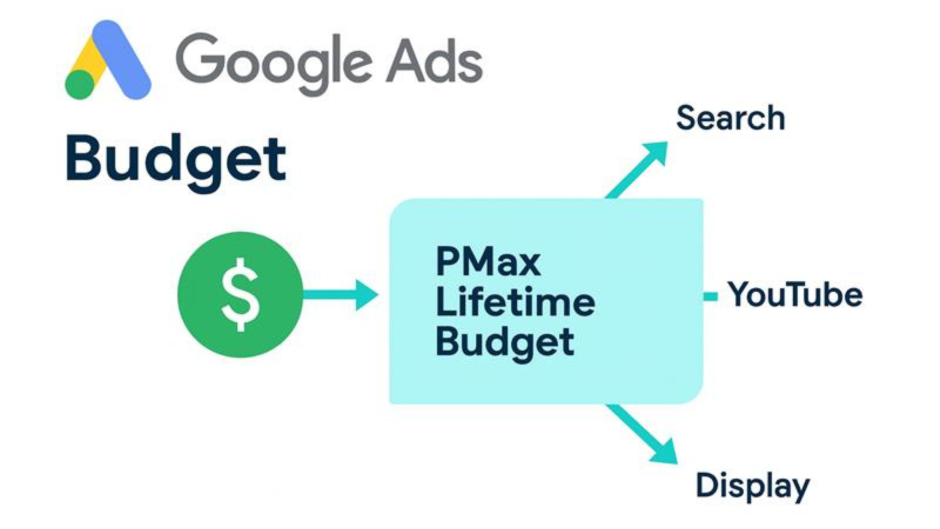
Google has begun rolling out total campaign budgets (a.k.a. lifetime budgets) for Performance Max (PMax) campaigns in markets outside the U.S. Search Engine Land Search Engine Roundtable
This is a big deal — PMax is one of Google Ads’ most widely used (and highest-spend) campaign types. Until now, marketers were limited to average daily budgets, which fluctuate in response to demand and Google’s pacing algorithm. With a total budget, you set a fixed cap for the whole campaign period, not just a daily rate. As more advertisers search for clarity around what is pmax in google ads, this update represents a meaningful step toward more transparent budget management
What Problem Does It Solve?
1. Better Spend Predictability & Control
Marketers with fixed media plans (for example, for a seasonal or flighted campaign) often struggle when the daily budget settings lead to overspend on high-volume days or underspend when demand is lower. A total budget provides a definitive limit, reducing the risk of blowing past your intended spend. This added certainty is especially valuable for brands relying heavily on pmax google ads to support strict financial planning.
2. Less Manual Budget Micromanagement
Instead of constantly adjusting your daily budget or checking pace, Google’s system takes care of distribution over the lifetime of the campaign.
3. Flight-Friendly Campaigns
Especially useful for short-term promotions (Black Friday, seasonal bursts, product launches): you can define your total spend over a set period and let Google optimise pacing to hit that total. Search Engine Roundtable
For advertisers building structured flights, the introduction of a google ads lifetime budget option finally aligns PMax with broader omnichannel planning needs.
How It Differs from Daily Budgeting
1. Daily Budget: Flexible, but Unpredictable
Daily budgets let Google spend more or less than your average. While this enables responsiveness, it introduces risk: overspend hurts fixed-budget clients; underspend leaves money on the table.
2. Total (Lifetime) Budget: Fixed Cap, Smarter Pacing
A lifetime budget guarantees you will not exceed your campaign’s entire budget. Google will attempt to spend evenly (or optimally) over time based on demand patterns, but it respects your maximum. Search Engine Roundtable
This shift brings PMax closer in line with how marketers already think about long-term pacing in pmax google ads.
Why This Is Long Overdue
1. Platforms like Meta and TikTok have long allowed lifetime budgets, giving advertisers more certainty and control.
2. Even within Google Ads, YouTube and Display campaigns could already use total budgets in certain formats. PPC News Feed
3. For PMax — Google’s flagship cross-channel campaign type — many marketers felt constrained by daily budgets, especially for tightly planned, high-stakes campaigns. With google ads lifetime budget support now expanding, advertisers finally gain a tool that matches the scale and sophistication of PMax.
Expert View: Tread With Caution
As tempting as this feels, I’m taking a cautious approach.
1. Demand Fluctuations Still Matter
Google favours daily budgets partly because of volatility in search volume. Unlike YouTube or Meta, where user engagement is steadier, search demand can swing wildly — that’s why daily budgets were the norm.
2. Budget Allocation Mystery
PMax remains a “black box”: even with a lifetime budget, we don’t know exactly how Google splits spend across channels (e.g., Search vs YouTube vs Display). It’s possible that a disproportionate amount could be pushed into “fixed-budget” channels like Display or YouTube, especially if Google’s algorithm deems them more efficient for hitting your objectives.
3. Learning Phase Risk
With a new budget type, campaigns may behave unpredictably during the learning phase. If Google front-loads spend too aggressively or too conservatively, you might not hit your full budget or optimise as expected. These unknowns are especially relevant for brands still exploring what is pmax in google ads and how to maximize performance without surrendering too much control.
Early Experience: Our Tests at Sonnet
At our white label agency, we’ve already started deploying PMax campaigns using lifetime budgets — particularly during high-pressure periods like Black Friday and holiday rushes. Here’s how we’re doing it:
1. Controlled Experiments: We’re running parallel campaigns (daily vs total budget) to compare pacing, performance, and spend efficiency.
2. Tight Monitoring: Though Google automates pacing, we’re closely tracking spend trajectories, especially in the first half of the campaign.
These structured tests help us better understand how pmax google ads behaves under lifetime budget constraints and where opportunities emerge.
We believe this feature could be a strategic asset — but not a “set and forget” switch. Testing and expert oversight remain essential.
Strategic Take-Aways for Marketers
Here’s what to keep in mind if you’re considering lifetime budgets for PMax:
1. Use It for Flighted Campaigns: Total budgets are ideal for promotions or limited-time campaigns where you know exactly how much you want to spend.
2. Run Test vs Control: Try a split test vs daily-budget PMax to understand how Google paces your specific campaigns.
3. Track Early: Closely monitor pacing in the launch phase. Use data to inform future lifetime budget settings.
4. Align With Business Goals: Make sure your total budget aligns not just with media plan constraints but also with your conversion and ROAS goals.
5. Be Prepared for Black-box Allocation: Accept that you won’t know exactly where every dollar goes; focus on high-level outcomes.
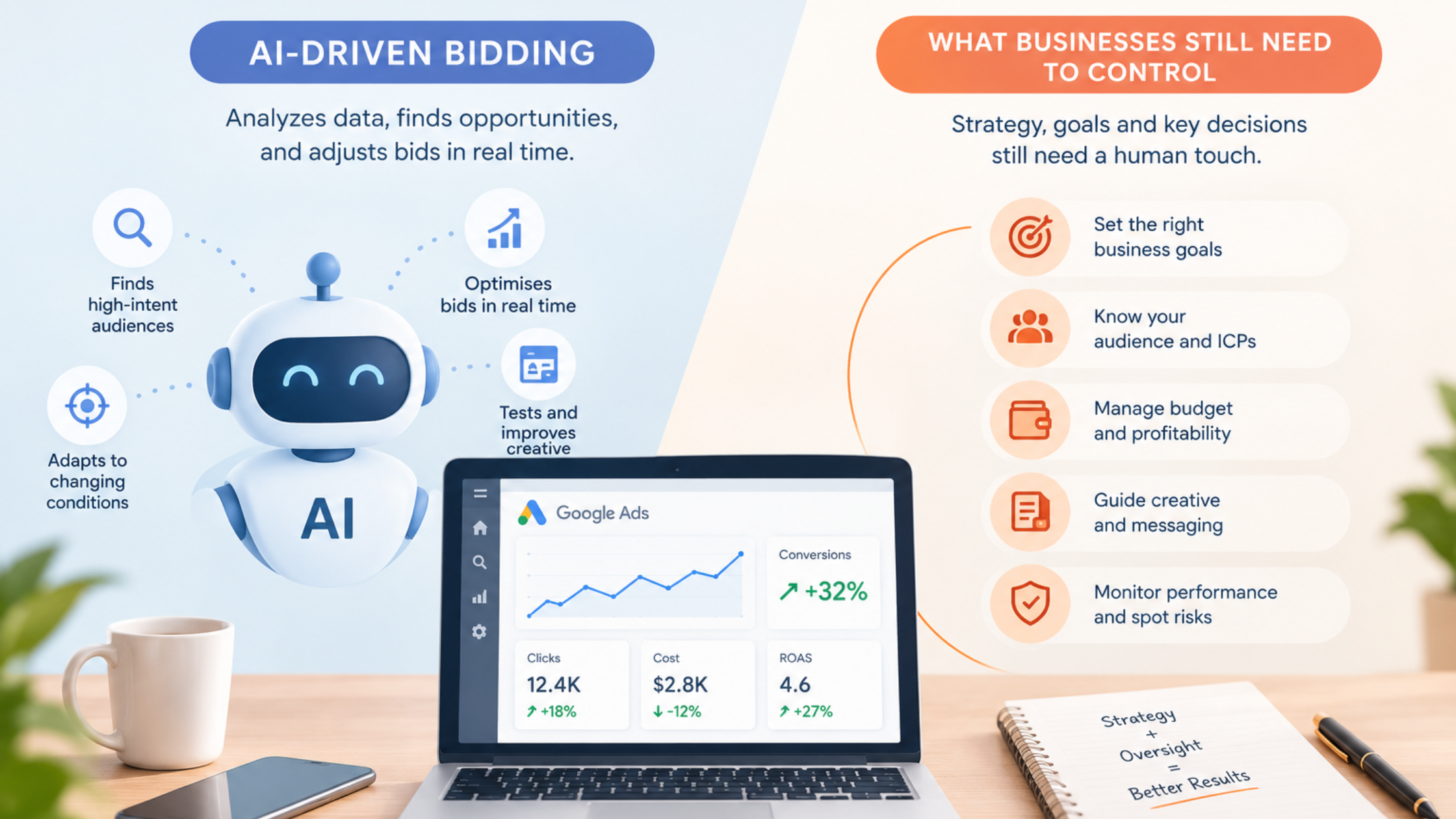
And remember that adopting a google ads lifetime budget doesn’t remove the need for strategic oversight — it simply gives you a more predictable framework to operate within.
Final Thoughts
The rollout of total campaign (lifetime) budgets for PMax outside the U.S. marks a profound shift in how we manage Google Ads spend. For marketers running tightly controlled, flight-based campaigns, this is a welcome evolution — offering stronger budget discipline, less manual juggling, and better alignment with real-world marketing plans. For many teams, this may be the moment where what is pmax in google ads becomes more than a question and instead a clearer, more manageable strategy.
But it’s not a panacea. Given PMax’s complexity and Google’s opaque budget allocation, lifetime budgets must be used deliberately, with testing, careful monitoring, and a layer of caution. As always, strategic expertise matters — even when Google gives us more control. In short, embracing pmax google ads with a lifetime budget can be powerful — but only in the hands of marketers who apply it thoughtfully.
Related Articles




Why Choose Us?
With decades of experience and a dedicated team, we are committed to delivering high-quality web development services. Our client-centric approach ensures that we understand your needs and provide solutions that exceed your expectations.