In an agency environment, capacity is planned carefully around people, projects and deadlines. But when new tasks enter the workflow without a clear queue or visibility for the people managing delivery, even a well-planned schedule can quickly unravel. This article looks at why uncontrolled task intake creates delays, how it affects the wider team, and what agencies can do to create a more predictable way of managing new work.
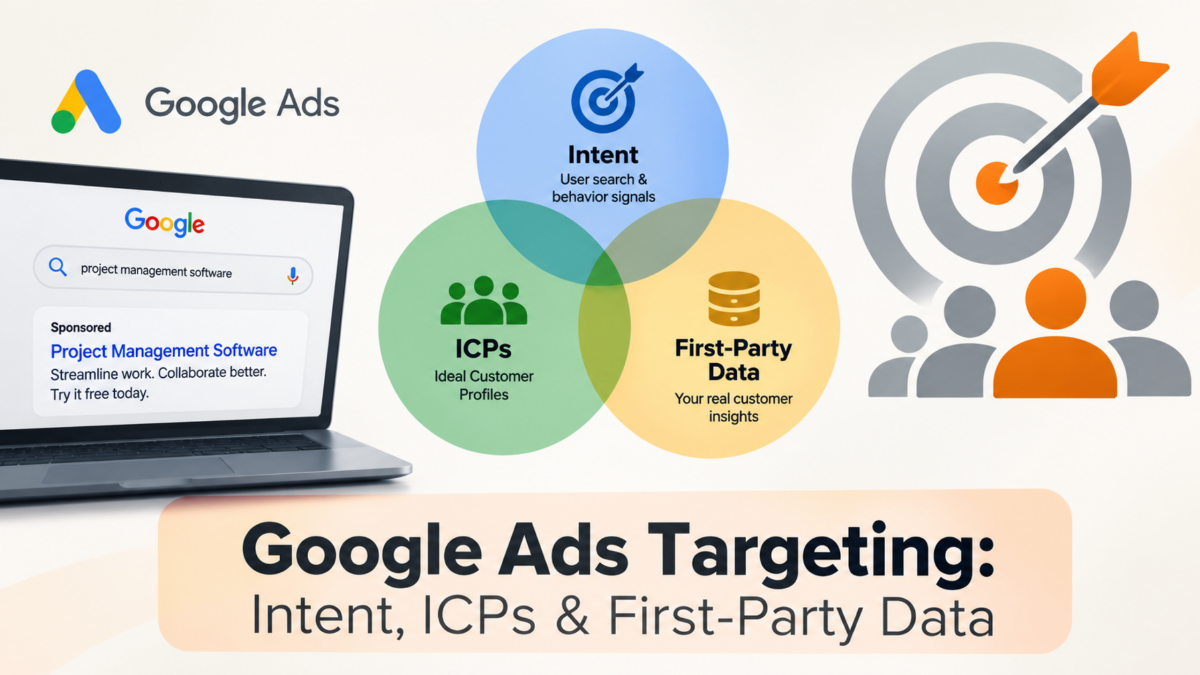
Google Ads and LinkedIn approach audience targeting from very different directions. LinkedIn can use professional identity signals such as job title, seniority, company and industry, while Google Ads is particularly powerful when it can respond to what someone is actively searching for and how likely that person is to convert. This article explains why intent is such a valuable signal, how Google’s AI uses conversion data to optimise campaigns, and why CRM data, Enhanced Conversions, Customer Match and offline conversion data are becoming increasingly important to B2B advertisers.
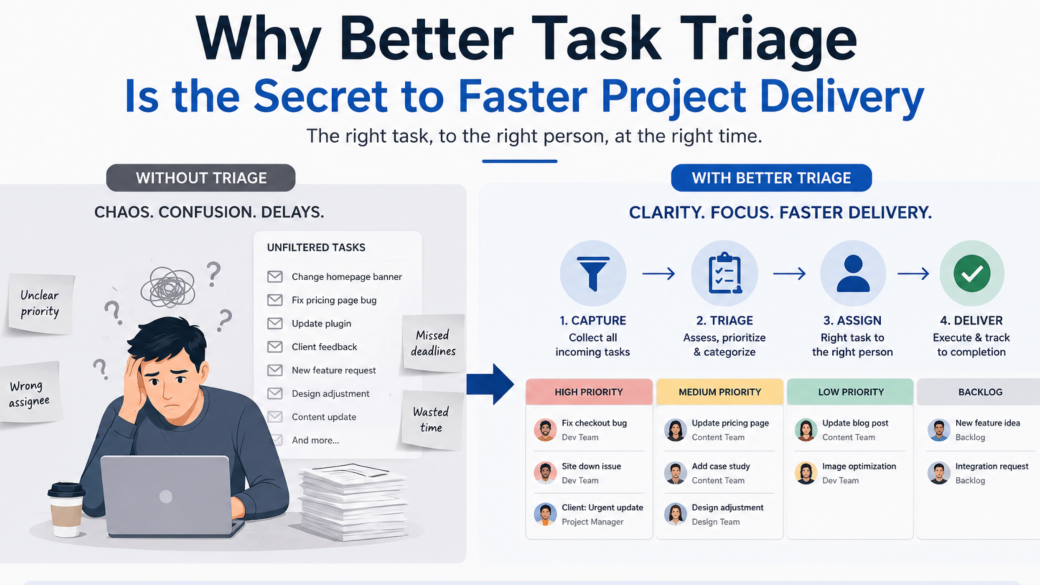
Many project delays don't happen because the work is difficult—they happen because the work wasn't properly understood before it was assigned. Effective task triage gives delivery teams the information they need upfront, reducing unnecessary back-and-forth, minimising blockers, and improving turnaround times. Here's why agencies should treat triage as an essential part of client communication rather than an administrative task.
As client expectations evolve, so should the tools development teams use every day. With more businesses working on high-resolution 4K displays—particularly Mac devices—websites and digital assets are increasingly being reviewed in environments that expose issues that may not be obvious on lower-resolution screens. This article explores why upgrading development workstations is less about buying better hardware and more about improving quality assurance, reducing revisions, and delivering work that meets modern client expectations.
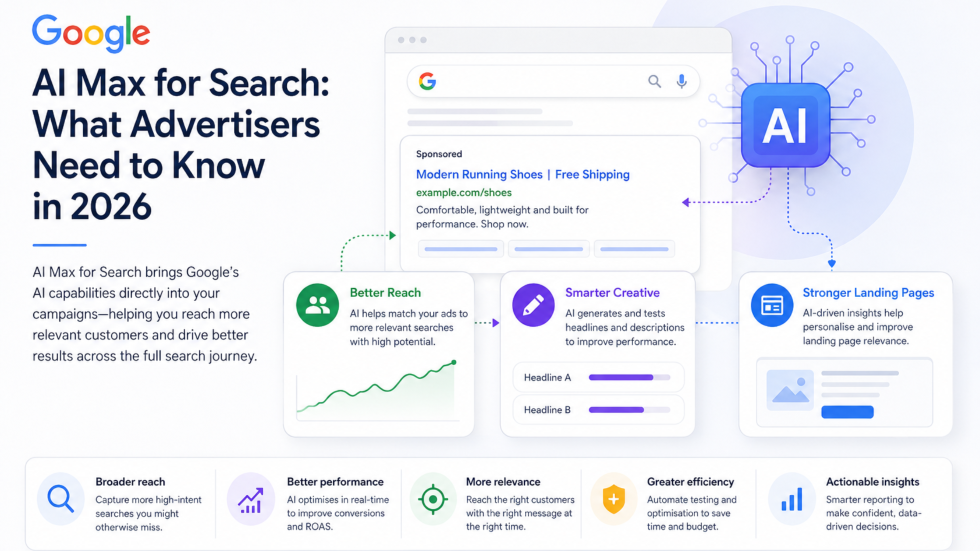
Google’s AI Max for Search is reshaping how paid search campaigns are managed by expanding keyword matching, automating creative optimisation, and uncovering new audience opportunities. While these AI-driven capabilities can improve performance, success still depends on strong foundations such as accurate conversion tracking, quality creative, and ongoing strategic oversight. This article explores how AI Max works, where it delivers value, and the mistakes advertisers should avoid when adopting AI-powered search campaigns.
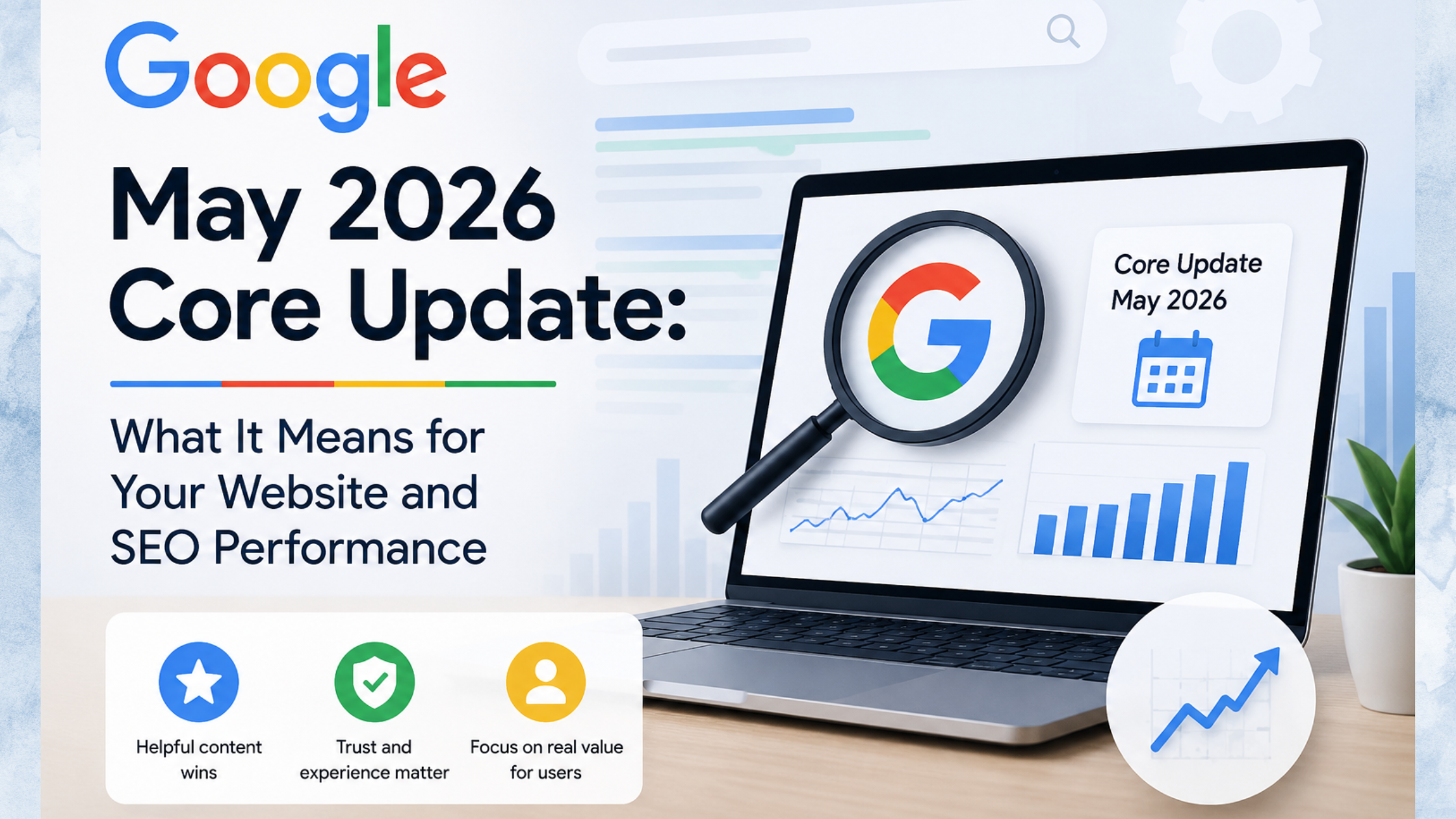
Google's May 2026 Core Update is another reminder that search rankings are constantly evolving. While fluctuations in rankings and traffic can be concerning, they don't necessarily indicate that something is wrong with a website. This article explains what the update means, why businesses shouldn't panic during the rollout, and the practical steps they should take once the update has settled. The focus remains the same: creating helpful, relevant content that genuinely meets user needs.
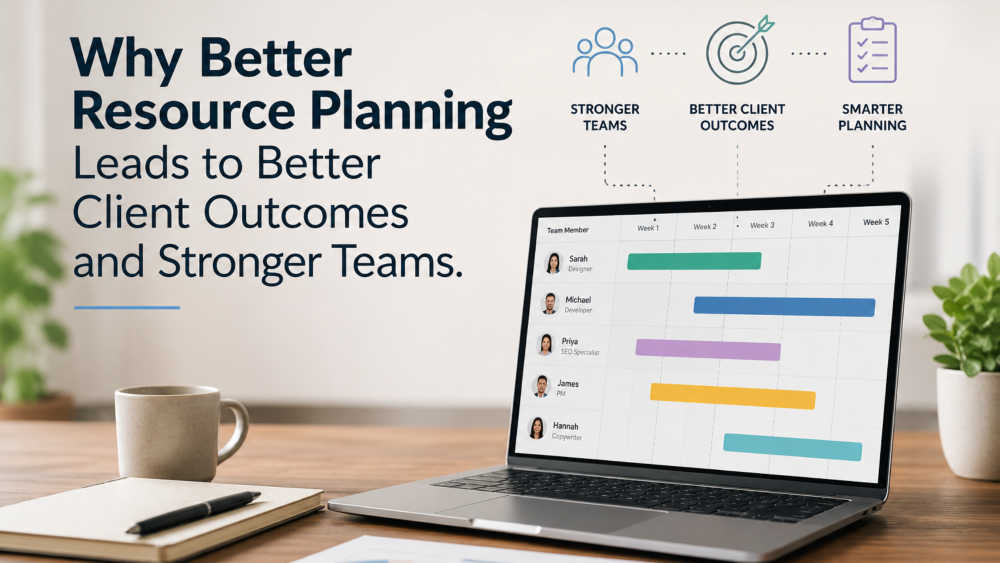
Resource planning is often viewed as an internal operational task, but its impact extends directly to client satisfaction, project quality, and team wellbeing. This article explores how agencies can move away from reactive delivery by improving workload visibility, managing client expectations more effectively, and proactively planning resources. The result is a more sustainable delivery process that reduces stress, improves quality, and strengthens long-term client relationships.
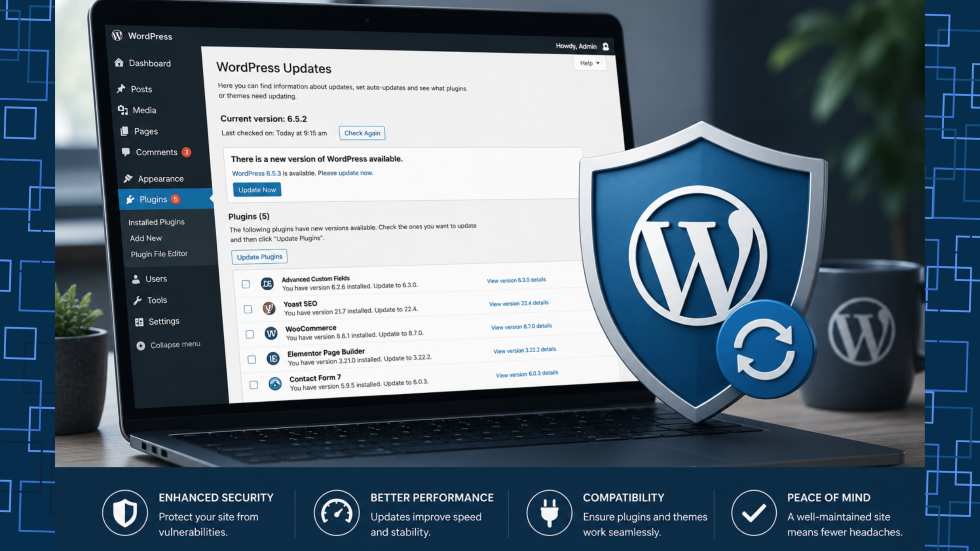
Many website owners treat WordPress updates as optional—something to deal with “later” because the site seems to be working fine. But delayed updates are one of the most common causes of hacked websites, broken functionality, and unexpected downtime. This article explains why regular WordPress core and plugin updates are essential for long-term website security, performance, and reliability—and outlines a practical maintenance approach to reduce risk.
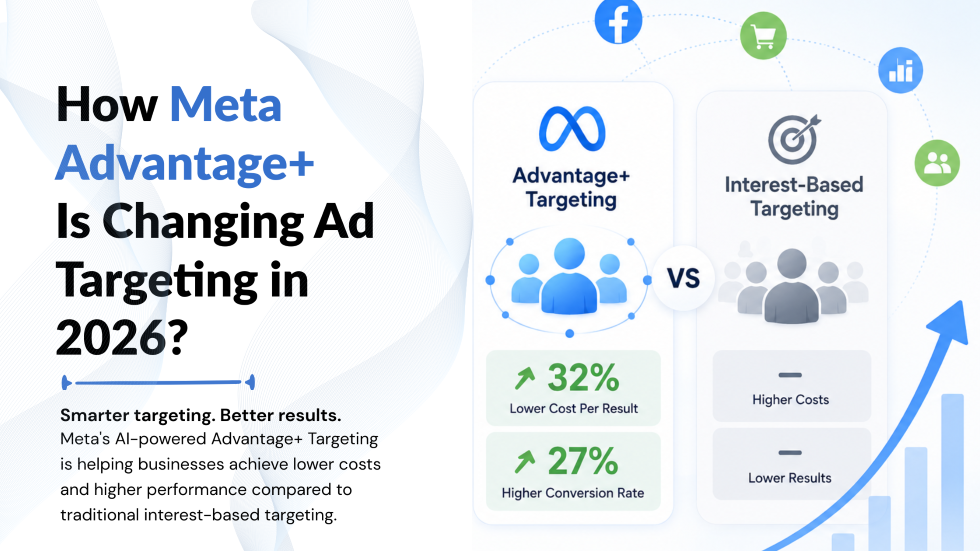
Meta’s advertising platform has shifted decisively toward AI-driven optimisation, making manual audience targeting less effective than it once was. In 2026, advertisers who continue relying heavily on interest-based targeting risk limiting performance by restricting Meta’s algorithm. This article explains why Advantage+ targeting has become the preferred approach, how privacy changes accelerated that shift, and what brands still need to get right for AI-driven campaigns to work.
Apple Maps advertising is emerging as a powerful new lower-funnel channel, placing businesses directly in front of users at the exact moment they decide where to go. This post explores how Apple Maps ads work, why they matter for location-driven businesses, and how they fit into the evolving privacy-first digital landscape. It also highlights the strategic importance of “micro-moments” and what agencies should consider as this channel expands beyond North America.
Netflix advertising has rapidly evolved from a cautious test into a fully-fledged media channel with scale, targeting sophistication, and programmatic accessibility. With tens of millions of active ad-supported viewers and growing global reach, it now offers advertisers a rare combination: premium content environments and highly engaged audiences. This article breaks down how Netflix ads work today, where marketers often go wrong, and what it takes to get real value from the platform.
ChatGPT has begun testing ads in the United States for its Free and Go tiers, marking a significant shift in how AI platforms may be monetised. With more than 700 million weekly active users globally, ChatGPT has become a mainstream information tool — and now a potential new advertising channel. This article explores what the move means for marketers, how it compares to Google Search, and why multi-channel search strategies will matter more than ever.
By 2026, social media will account for an estimated 20.8% of all online retail sales — a figure that highlights a consistent shift in consumer behaviour rather than a sudden boom. Social platforms are increasingly becoming marketplaces in their own right, offering low-friction experiences from discovery to purchase. With nearly 95% of internet users active on social media each month, these networks are uniquely positioned to influence buying decisions in ways traditional ecommerce channels rarely can. In this blog, we unpack why social commerce matters in 2026, how consumer trust has matured, and what this means for brands aiming to stay ahead.
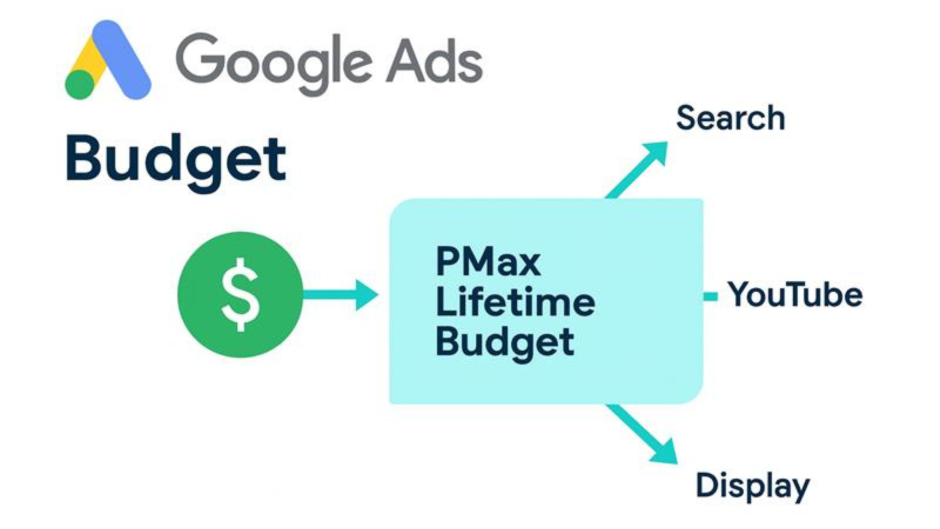
Google Ads now supports total (lifetime) budgets for Performance Max (PMax) campaigns outside the U.S., ending the era of only daily-budget pacing. This change gives marketers more control over spend, better budget predictability, and reduces the risk of overspend. But while it’s powerful, there are trade-offs, and it’s not yet a silver bullet.
Task management often feels like a job in itself — constant updates, repetitive assignments, and chasing incomplete details. Asana AI changes that by automating the everyday tasks that slow teams down. This post explores how AI-powered rules and automations transform project management, reduce manual effort, and help teams focus on meaningful work instead of maintenance.
In the world of white-label partnerships, your agency often operates behind the curtain, yet every message you craft still shapes client confidence and project success. As messages pass through layers of review, vital context can slip away, turning simple updates into misaligned expectations and costly delays. This blog unpacks the hidden communication pitfalls and stretched feedback loops and introduces four practical guardrails to keep every handoff crystal clear. Through weaving these frameworks into your workflow, you’ll not only streamline delivery but also step into a strategic role that clients truly trust.
Your agency’s success these days hinges on striking the right balance between in-house expertise, on-demand freelancers and white-label partners. This guide walks you through the strengths and trade-offs of each model—and shows you how to structure a digital marketing agency that flexes with client needs, keeps costs in check and sparks fresh ideas.